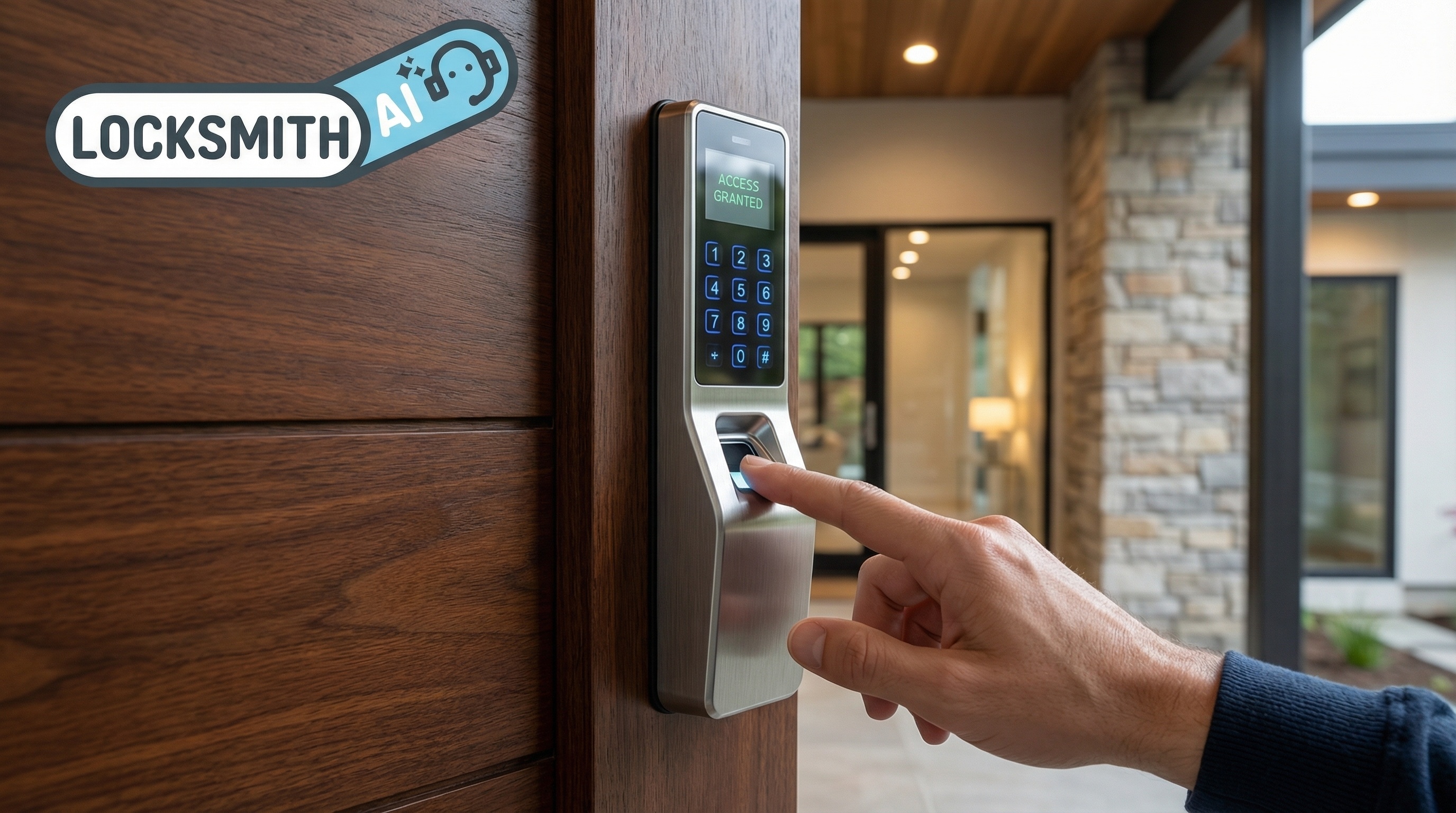
Keyless entry systems have transformed how we access our homes, vehicles, and businesses. No more fumbling for keys, worrying about lost copies, or wondering if you locked the door. But like any technology, keyless systems have trade-offs worth understanding.
Types of Keyless Entry Systems
Keypad/PIN Code Locks
The most common type, these require entering a numeric code. Available as battery-powered deadbolts or hardwired commercial systems. Simple, reliable, and no additional hardware needed.
Smart Locks (WiFi/Bluetooth)
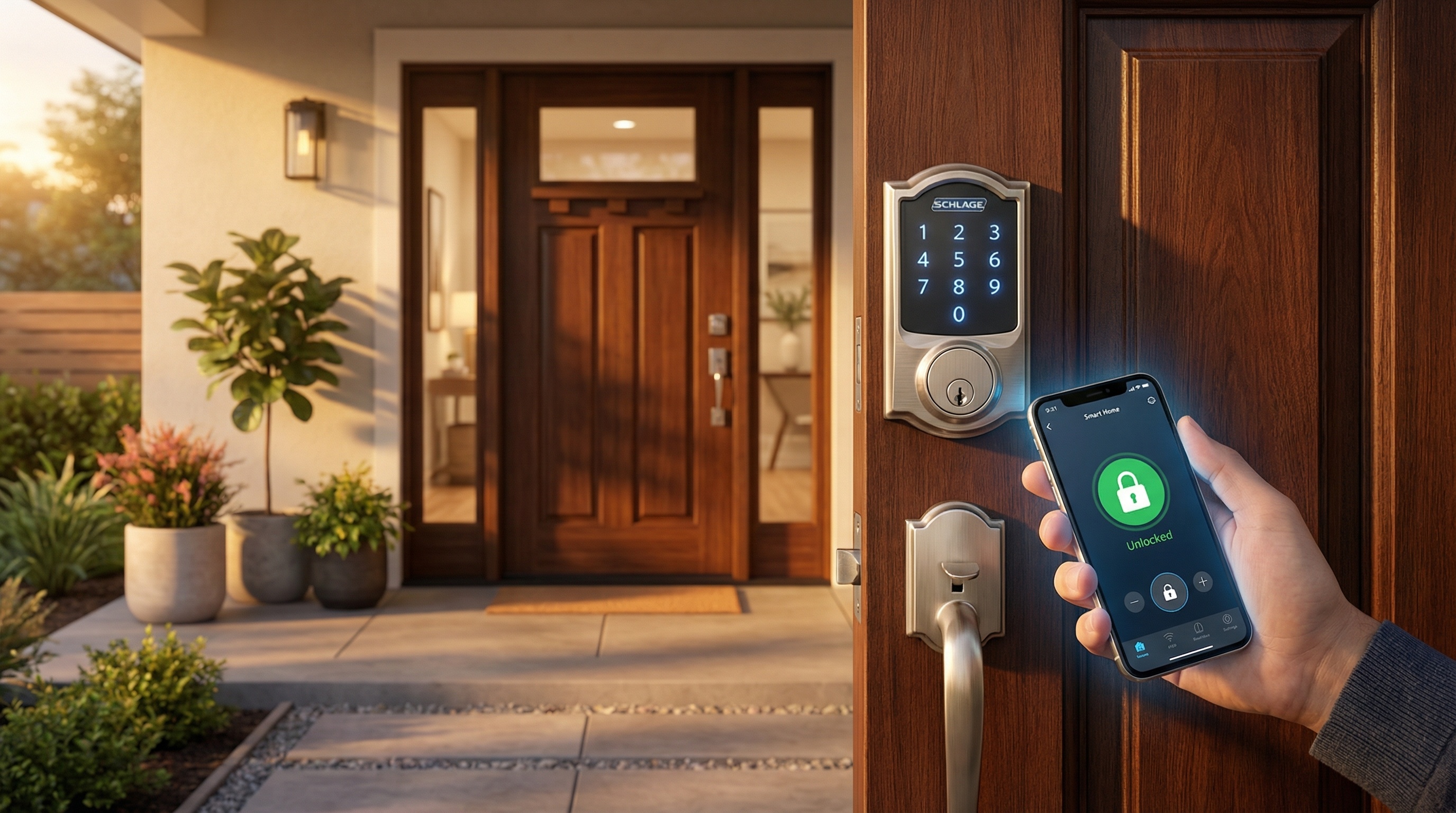
Connect to your phone for remote access, auto-unlock features, and integration with smart home systems. Offer the most features but depend on batteries and connectivity.
Key Fob/Proximity Systems
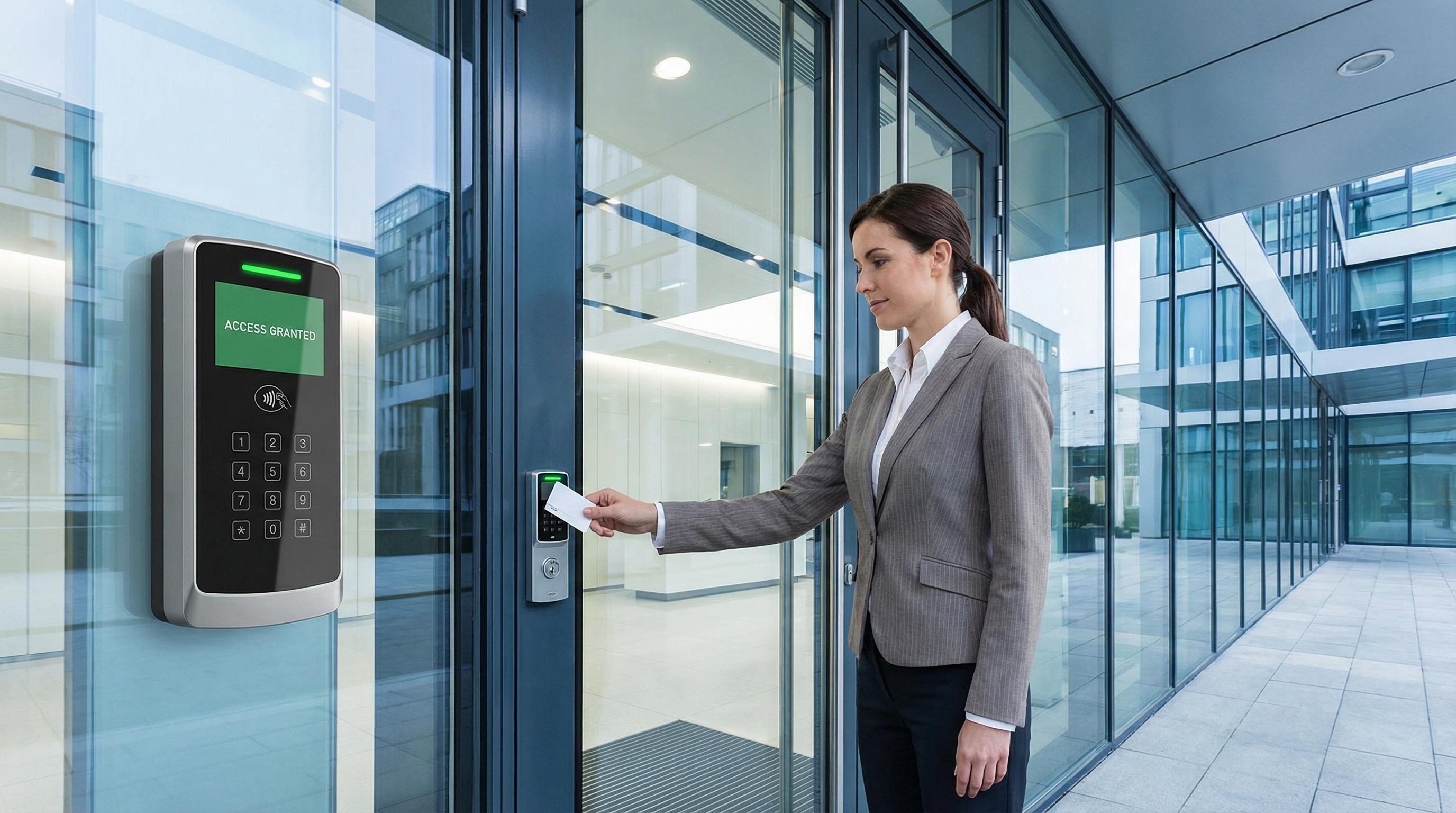
Common in vehicles and commercial buildings. The lock detects a wireless key and unlocks automatically. Convenient but requires carrying a fob.
Biometric (Fingerprint) Locks
Use your fingerprint instead of a code or key. Fast and secure, though more expensive and dependent on sensor reliability.
The Advantages
Never Locked Out
No keys means you can't lock your keys inside. As long as you know your code (or have your phone), you can get in.
Easy Access Management
Grant and revoke access instantly. Perfect for Airbnb hosts, housekeepers, dog walkers, or when employees leave.
Activity Tracking
Many systems log who entered and when. Know when your kids got home from school or when the cleaner arrived.
Remote Access
Smart locks let you lock/unlock from anywhere. Let in a delivery person while at work or verify you locked up after leaving.
Integration Benefits
Connect with cameras, lights, and thermostats for automated routines. Door unlocks → lights turn on → thermostat adjusts.
The Disadvantages
Battery Dependency
Most keyless locks run on batteries. If batteries die and there's no physical backup, you're locked out. Always keep spare batteries and enable low-battery alerts.
Technology Failures
Bluetooth glitches, WiFi outages, or app updates can temporarily prevent access. Choose locks with physical key backup for emergencies.
Hacking Concerns
Any connected device has potential vulnerabilities. Cheap, no-name smart locks may have security flaws. Stick to reputable brands with encryption.
Code Sharing Issues
People share codes carelessly. The more people who know a code, the less secure it becomes. Change codes regularly and use unique codes per person when possible.
Higher Upfront Cost
Keyless locks cost more than traditional locks. Smart locks can run $150-$350+ compared to $50-$100 for a quality deadbolt.
Security Best Practices
For PIN/Keypad Locks
- Use 6+ digit codes when possible
- Avoid obvious codes (1234, birthdays, addresses)
- Change codes after anyone who had access no longer needs it
- Clean the keypad to prevent wear patterns revealing your code
- Use unique codes for each person to track access
For Smart Locks
- Choose locks with AES-128 or AES-256 encryption
- Enable two-factor authentication on your smart lock app
- Keep firmware updated for security patches
- Use a strong, unique password for your account
- Secure your home WiFi network with WPA3 if possible
Critical Security Tip
Always choose a keyless lock that includes a physical key backup. If technology fails, you need a way in that doesn't involve breaking your own door.
Choosing the Right System
For Homes
A smart lock with app control, auto-lock, and physical key backup offers the best balance of convenience and security. Look for models compatible with your existing smart home ecosystem.
For Rentals/Airbnb
Keypad locks with temporary code capability are ideal. Generate unique codes for each guest that expire after checkout. No key exchange needed.
For Businesses
Consider commercial-grade systems with audit trails, time-based access (employees can only enter during work hours), and integration with security systems.
For Vehicles
Modern factory keyless entry is secure. For older vehicles, aftermarket systems should be installed professionally to avoid vulnerabilities.
Ready for Keyless Entry?
Our technicians can recommend and install the perfect keyless system for your home or business.
Final Thoughts
Keyless entry systems offer genuine convenience and security benefits when chosen and used properly. The key is selecting quality hardware from reputable manufacturers, following security best practices, and having backup access methods.
For most homeowners, a mid-range smart lock from a trusted brand (Schlage, Yale, August, Kwikset) provides excellent value. The peace of mind of remote access and activity logs often outweighs the higher initial cost.