Your door locks are the first line of defense for your home, yet they're often overlooked until something goes wrong. The truth is, locks don't last forever, and a compromised lock is an open invitation to burglars.
Here are five critical warning signs that your locks need immediate attention - ignoring them could put your family and belongings at risk.
The Lock is Visibly Damaged or Rusted
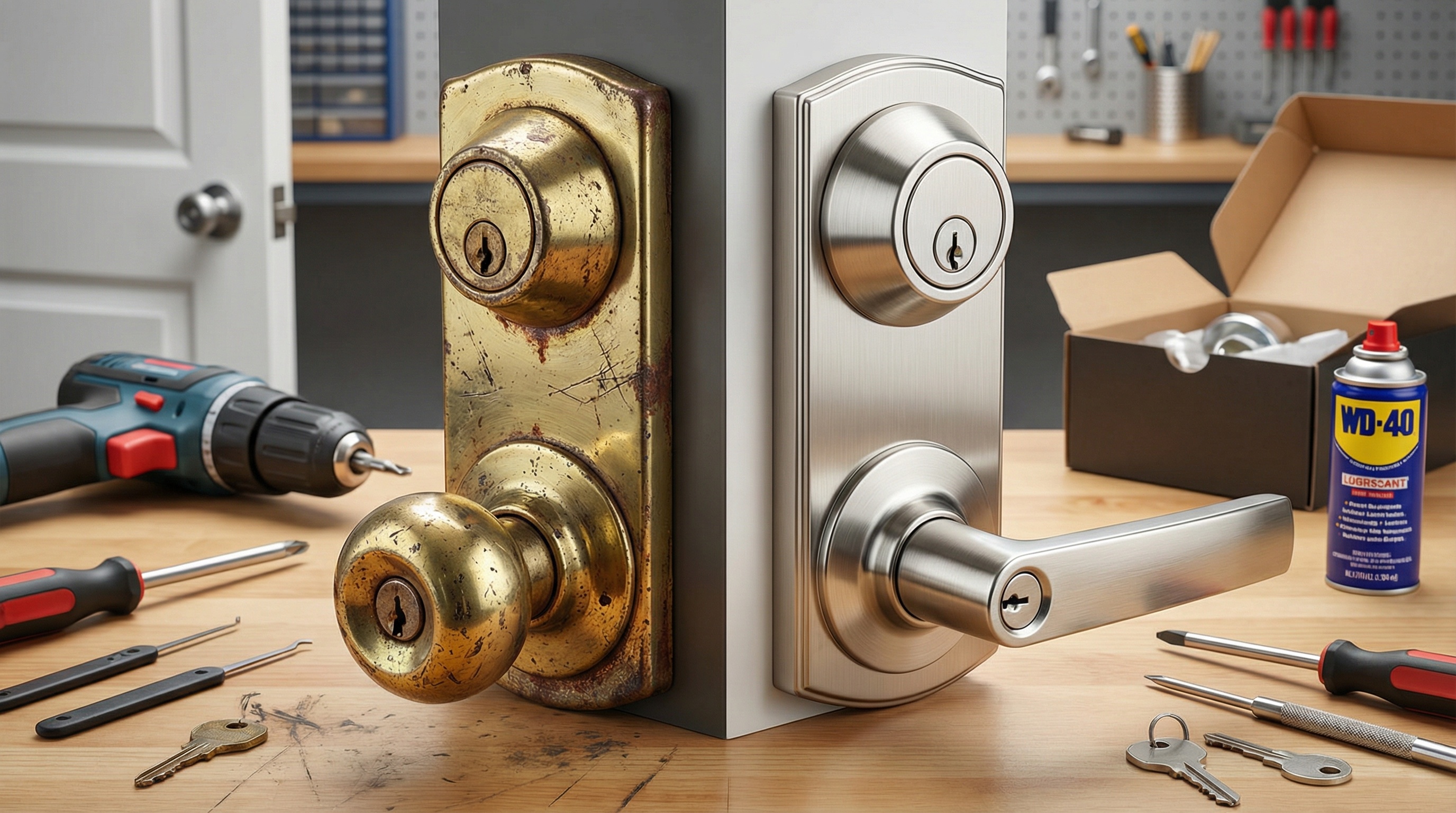
This might seem obvious, but many homeowners ignore visible damage, hoping the lock will continue to work. Rust, corrosion, or physical damage (from attempted break-ins) weakens the lock mechanism and makes it easier to defeat. If you can see damage, the internal components are likely compromised too.
The Key Sticks or Doesn't Turn Smoothly
When your key becomes difficult to insert, remove, or turn, it's a sign of worn internal pins and tumblers. While graphite lubricant can provide temporary relief, persistent issues indicate the lock mechanism is failing. A lock that's hard to operate with the correct key is also easier to pick or bump.
The Lock is Loose or Wobbly
A lock that moves in the door or rattles when you touch it has lost its integrity. This looseness often indicates worn screws, a damaged strike plate, or internal mechanism failure. A wobbly lock can often be forced open with minimal effort.
You've Recently Moved Into the Property
You have no idea how many copies of the existing keys are floating around. Previous owners, their family members, contractors, housekeepers, or former tenants may still have keys. The only way to guarantee security is to rekey or replace all exterior locks immediately.
Your Lock is Outdated
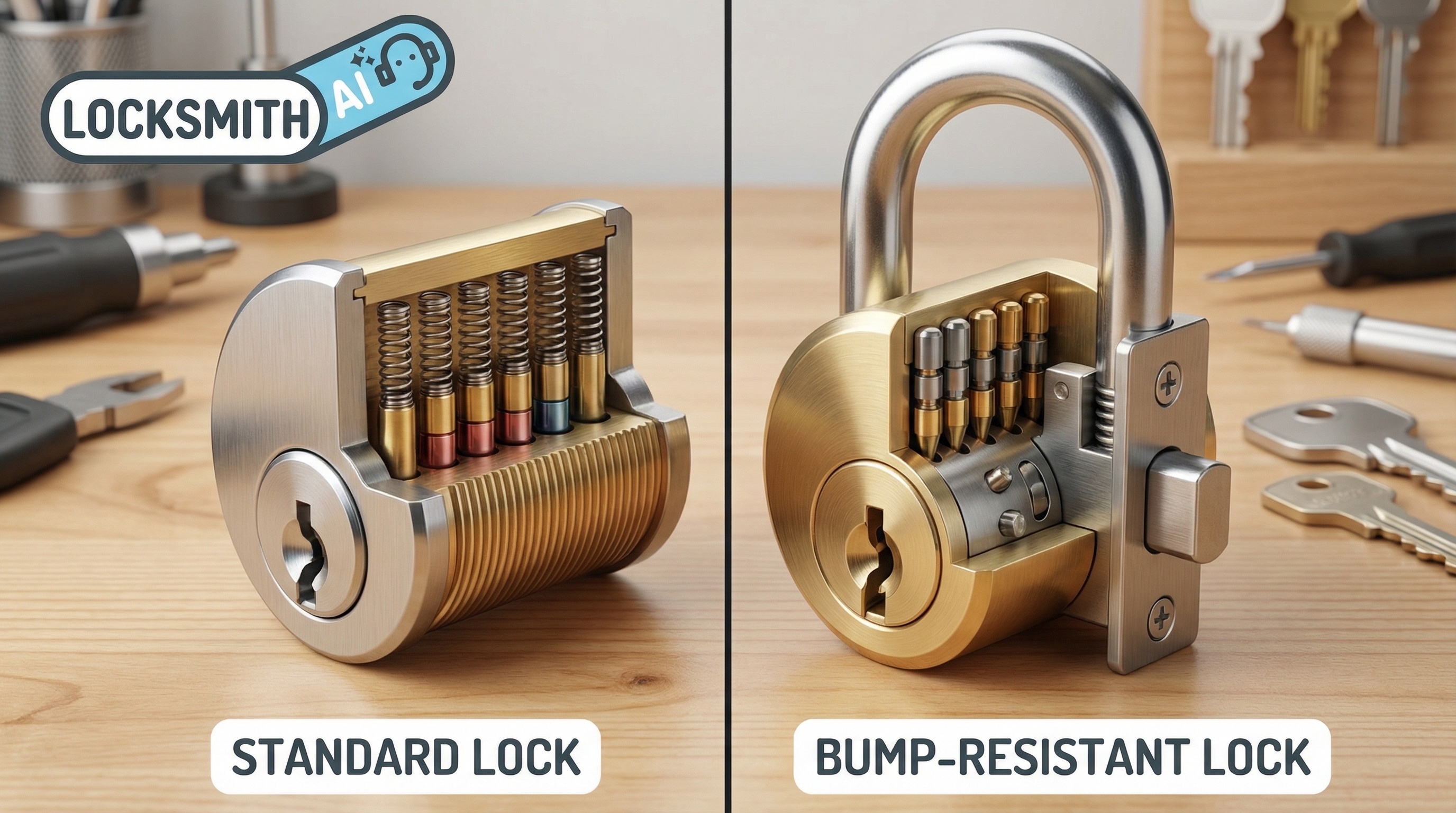
If your locks are more than 10-15 years old, they likely lack modern security features. Older locks are often vulnerable to bumping, picking, and other techniques that newer locks resist. Grade 3 residential locks offer minimal security compared to modern Grade 1 or Grade 2 options.
What About Rekeying Instead?
If your locks are in good working condition but you're concerned about key control (like after moving), rekeying is often sufficient. Rekeying changes the internal pins so old keys no longer work, but keeps the existing lock hardware.
However, replacement is necessary when:
- The lock mechanism is physically damaged or worn
- You want to upgrade to better security features
- The lock is very old or a low-security grade
- You're switching to smart locks
Pro Tip
Don't wait for a security incident to upgrade your locks. The cost of a quality lock ($100-$250 installed) is far less than the financial and emotional cost of a break-in.
Choosing Replacement Locks
When selecting new locks, look for these features:
- ANSI/BHMA Grade 1 or 2 - The security rating system for locks. Grade 1 is commercial-grade, Grade 2 is high-quality residential.
- Bump and pick resistance - Modern locks include features like security pins and restricted keyways.
- Reinforced strike plates - A weak strike plate is the most common failure point. Look for 3" screws that reach the door frame.
- Key control - Restricted keyways prevent unauthorized key duplication.
Not Sure About Your Locks?
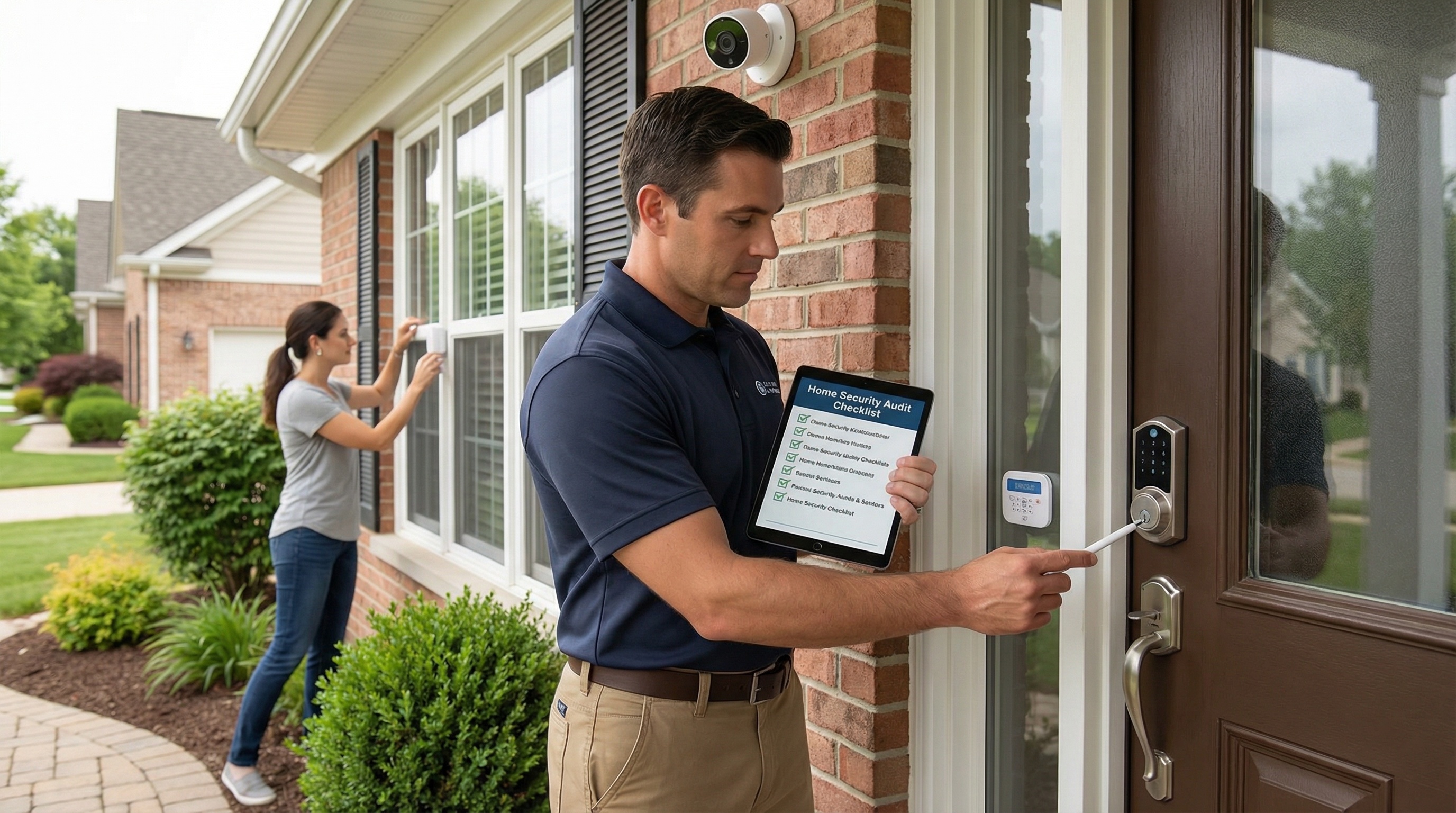
Our certified locksmiths can assess your current locks and recommend the most cost-effective solution for your security needs.
The Bottom Line
Your locks are one of the most important security investments you can make. If you've noticed any of these warning signs, don't delay - every day with a compromised lock is a risk. A professional locksmith can quickly assess your needs and either repair, rekey, or replace your locks to restore your home's security.
Remember: burglars are opportunists. They look for easy targets. Simply having quality, functional locks makes your home significantly less attractive to criminals.